Source Cutting Infrared Visible Glass for Building, Furniture, and Electronics
Find 30 options for cutting infrared visible glass suitable for building, furniture, and electronics applications. Compare specifications such as thickness, flatness, and certifications like CE and ISO to identify the right tempered glass solutions for your manufacturing needs; compare the available evidence and request quotations based on your requirements.
Key considerations
Products List


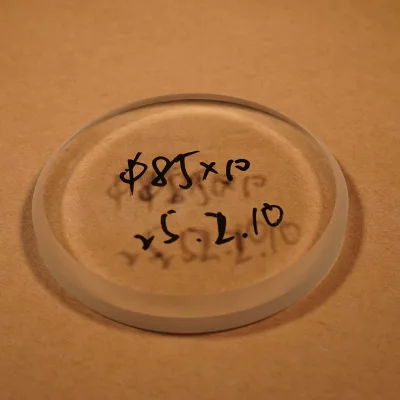


Industrial Femtosecond Cutting with High Precision Glass Laser Solutions
$158000.00 - $186000.00
Moq: 1
Comprehensive Sourcing Guide
Cutting Infrared Visible Glass Sourcing Guide
Procuring cutting infrared visible glass requires a precise understanding of the intersection between optical clarity and thermal management capabilities. Buyers must distinguish between standard tempered glass and specialized variants designed to manage specific wavelengths of light. The available market data indicates a wide spectrum of thicknesses, ranging from thin sheets of 0.5mm to robust 19mm panels, which directly influences the cutting methodology and equipment requirements.
Sourcing decisions should prioritize suppliers who demonstrate expertise in laser cutting technologies, specifically those utilizing picosecond lasers for high-precision applications. The observed product attributes suggest that while many suppliers offer standard flat tempered glass, the specific requirement for infrared visibility necessitates verifying the glass composition and surface treatments. Buyers must ensure the selected material supports the intended optical performance without compromising structural integrity during the cutting process.
Product Scope and Observed Listing Signals
The current market listings reveal a diverse range of product models, including specific entries like "creationclassic" and "smart glass," alongside generic descriptions of flat tempered glass. These listings often highlight customization availability, allowing buyers to tailor dimensions and finishes to specific project needs. The observed price range is exceptionally broad, spanning from $0.66 to $188,000, which reflects the variance between standard architectural glass and highly specialized, custom-engineered optical components.
Buyers should carefully analyze the listed usage categories, which extend from building and furniture to military and electronics applications. This diversity suggests that the same base material may be processed differently to meet distinct functional requirements. The presence of "anti ref-2" models and various thickness specifications indicates that suppliers are catering to niche markets requiring specific light transmission or reflection properties. It is critical to match the product model to the exact operational environment to avoid performance failures.
Technical Specifications to Verify
Technical verification must begin with the glass thickness, as the observed data lists specific options such as 3mm, 4mm, 5mm, and up to 8mm for curve tempered glass. The forming process is typically identified as the float process, which ensures a uniform surface essential for precise cutting. Buyers need to confirm that the selected thickness aligns with the cutting equipment's capabilities, particularly when dealing with thicker sheets that may require specialized laser power settings.
The cutting method is a critical technical parameter, with laser cutting being the primary technique observed in the supply data. Suppliers often specify power requirements ranging from 30W to 150W, alongside cooling types like water cooling, which are vital for maintaining precision during the cutting of infrared-visible materials. Additionally, the flatness class and steel degree must be verified to ensure the glass meets the structural demands of the final application, as deviations can lead to cracking or optical distortion.
Compliance and Safety Documentation
Compliance verification is essential, as the observed listings reference multiple international standards including GB15763.2, GB 1216, and AS/NZS2208:1996. These standards govern the physical properties and safety performance of tempered glass, ensuring that the material can withstand thermal and mechanical stress. Buyers must request specific test reports confirming that the glass meets these regional standards, particularly if the product is destined for markets with strict regulatory requirements like the European Union or Australia.
Safety documentation should also include certifications such as CE, ISO, and CCC, which indicate adherence to quality management and safety protocols. The presence of safety features in associated machinery, such as overload protection and emergency stop buttons, further underscores the importance of a comprehensive safety framework. Procurement teams must ensure that all supplied glass and cutting equipment come with valid certification documents to mitigate liability and ensure operational safety in the facility.
Cost Drivers and Commercial Terms
Cost drivers in this sector are heavily influenced by the customization level, thickness, and the specific cutting technology required. The observed minimum order quantities vary significantly, ranging from single units to full 20-foot container loads, which impacts the unit economics. Buyers should anticipate that specialized infrared-visible glass with custom thicknesses or surface treatments will command a premium over standard clear tempered glass options.
Commercial terms must be scrutinized regarding packaging and logistics, as the data indicates the use of wooden crates, plywood cases, or safety wooden crates. These packaging methods are necessary to prevent breakage during transit but add to the overall landed cost. Additionally, the warranty period, observed as two years in some listings, should be clearly defined in the contract to protect against premature failure. Buyers must negotiate lead times and payment terms that align with their production schedules to avoid supply chain disruptions.
Supplier Qualification and Quality Control
Supplier qualification should focus on verifying the origin and manufacturing capabilities, with Qingdao, China, being a prominent hub for these products. Buyers must assess the supplier's ability to maintain consistent quality across different batches, especially given the variation in observed product models and standards. The presence of "Grade One" material specifications suggests a tiered quality system, and buyers should request samples to validate the actual grade before committing to large orders.
Quality control processes must include rigorous inspection of the cutting edges and surface flatness. The observed attributes highlight "High Class" flatness and "Conforming Article" status, which are critical for applications requiring precise optical alignment. Suppliers should demonstrate a robust quality assurance protocol that includes pre-shipment inspections and adherence to the specified standards. Buyers should also evaluate the supplier's track record in handling complex orders involving military or high-tech electronics applications.
Long-Term Procurement Checks
Long-term procurement success depends on establishing a reliable supply chain that can adapt to evolving technical requirements. Buyers should regularly review the supplier's ability to maintain stock of critical thicknesses and models, such as the 8mm curve tempered glass or smart glass variants. Continuous communication regarding updates in standards or new cutting technologies will ensure that the procurement strategy remains aligned with industry advancements.
Performance monitoring should include periodic audits of the delivered glass against the original specifications for thickness, flatness, and certification. The observed warranty of two years provides a baseline for evaluating product longevity, but buyers should also track field performance data to identify any recurring issues. Building a partnership with suppliers who offer customization and have a strong track record in diverse applications will mitigate risks and ensure a steady supply of high-quality infrared visible glass.
FAQs
How is the glass tempered for safety?
The glass is physically tempered to ensure high safety standards. This process creates a Steel Degree of Tempered Glass that meets GB15763.2 standards. The resulting flat tempered glass offers high class flatness and is suitable for building, furniture, and automotive applications.
What thickness options are available for orders?
Available thickness ranges from 0.5mm to 19mm, including specific options like 8mm. The product model supports various sizes such as 3mm, 4mm, 5mm, and 6mm. Buyers can select thick sheet glass or specific curve tempered glass based on their project requirements.
Which certifications does the glass product hold?
The product holds CE, ISO, and CCC certifications. It also complies with AS/NZS2208:1996 and SGCC standards. These certifications ensure the tempered glass meets international safety and quality requirements for use in electronics, instruments, and daily products.
Can the glass be customized for specific needs?
Yes, customization is available for various product requirements. Buyers can request specific models like smart glass or anti-reflection variants. The production process allows for tailored solutions while maintaining Grade One quality and using wooden crates for safe packing.
Where are the glass products manufactured?
The products originate from Qingdao, Shandong, China. This location is a known hub for glass manufacturing. The factory utilizes laser cutting techniques and water cooling systems to produce high-quality tempered glass for global export markets.
What is the minimum order quantity for purchase?
The minimum order quantity can be as low as one unit or one twenty-foot container. Specific MOQs vary by product model and customization level. Buyers should check the specific requirements for items like 8mm thick tempered glass to confirm exact thresholds.
How is the glass packed for shipping?
The glass is packed in wooden crates, wooden cases, or plywood crates. Safety wooden crates or plywood crates packing are standard options. This robust packaging ensures the flat tempered glass arrives without damage during international transport to various destinations.